Older homes offer undeniable charm but also pose unique challenges that require specialized knowledge and careful planning. From outdated electrical systems to inefficient layouts, vintage properties need thoughtful modernization that respects their original character while meeting today’s living standards.
The key to successful older home renovation lies in understanding how to work with existing structures rather than against them. Many homeowners struggle to balance preservation and modernization, unsure which updates will deliver the greatest value and functionality.
Smart remodeling ideas for older homes focus on strategic improvements that address common issues while enhancing livability. Whether dealing with cramped kitchens, insufficient storage, or energy inefficiency, the right approach can transform a vintage property into a modern sanctuary that honors its heritage.
This guide explores eight proven strategies for updating older homes, each designed to maximize both functionality and value while preserving the architectural elements that make vintage properties special.
Kitchen Layout Redesigns That Work Within Existing Footprints
Most older homes feature kitchens that were designed for a different era of cooking and entertaining. These spaces often lack counter space, storage, and the open flow that modern families prefer.
Working within existing footprints eliminates the need for expensive structural changes while still achieving dramatic improvements. We focus on repositioning appliances, removing non-load-bearing walls, and reconfiguring storage to create more functional work triangles.
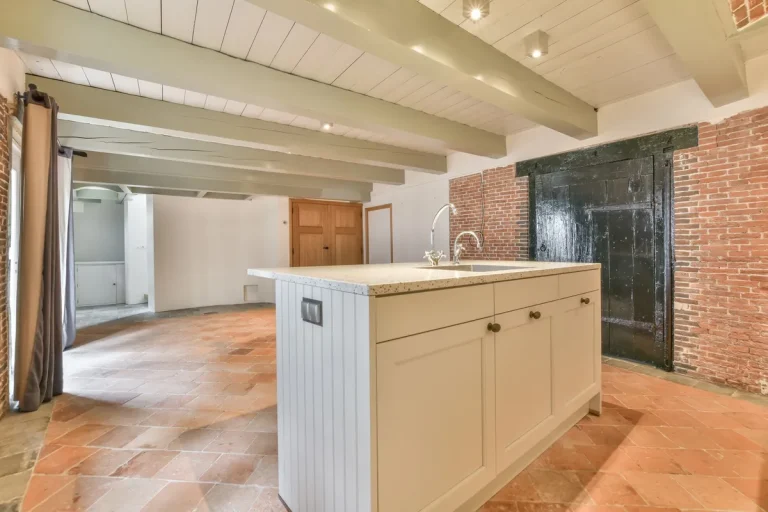
Galley kitchens, common in older homes, can be transformed by opening one wall to an adjacent dining room or living space. This creates the feel of a larger kitchen without major structural modifications. Strategic placement of an island or peninsula can provide additional prep space and storage while maintaining the home’s original flow.

Cabinet configuration plays a major role in kitchen functionality. Replacing upper cabinets with open shelving or glass-front options can make small kitchens feel more spacious. Floor-to-ceiling storage maximizes every available inch, accommodating modern appliances while maintaining the kitchen’s proportions.
Energy-Efficient Window and Insulation Upgrades
Older homes often suffer significant energy loss due to outdated windows and insufficient insulation. These issues not only increase utility costs but also affect comfort year-round.
Window replacement in older homes requires careful consideration of both energy efficiency and historical accuracy. Modern double or triple-pane windows can dramatically improve energy performance while maintaining the visual character of original windows through appropriate frame styles and proportions.
Insulation upgrades often reveal surprising gaps in older construction. Walls, attics, and basements frequently lack adequate insulation by today’s standards. Adding blown-in insulation to existing walls and upgrading attic insulation can reduce energy costs by 20-30% while improving year-round comfort.
Weather sealing around doors and windows provides immediate improvements at minimal cost. Older homes often have gaps that developed over decades of settling. Professional sealing of these openings, combined with updated weatherstripping, creates a more controlled interior environment while preserving the home’s character.
Electrical System Modernization
Upgrading Service Panels and Wiring
Many older homes still operate on electrical systems designed for much lower power demands. Modern families require significantly more electrical capacity for everything from kitchen appliances to home office equipment.
Service panel upgrades typically represent the first step in electrical modernization. Older fuse boxes or undersized breaker panels cannot safely handle contemporary electrical loads. Upgrading to modern 200-amp service provides the capacity needed for today’s lifestyle while meeting current safety codes.
Aluminum wiring, common in homes built during the 1960s and 1970s, poses particular challenges. This wiring type requires special connectors and careful handling to prevent fire hazards. Professional assessment determines whether rewiring or specialized connections provide the best solution for each situation.
Adding Modern Conveniences
GFCI outlets in bathrooms and kitchens bring older homes up to current safety standards. These outlets prevent electrical shock in areas where water and electricity may come into contact. Similarly, arc-fault circuit interrupters protect against electrical fires caused by damaged or deteriorating wiring.
USB outlets and dedicated circuits for home offices reflect how electrical needs have evolved. Adding these modern conveniences during renovation prevents the need for extension cords and power strips while maintaining clean, uncluttered living spaces.
Whole-house surge protection safeguards expensive electronics and appliances from power fluctuations. Older electrical systems are more susceptible to surges, making this protection especially valuable in vintage homes.
Plumbing System Improvements
Plumbing in older homes often combines outdated materials with inefficient layouts. Cast-iron drain pipes, galvanized-steel supply lines, and insufficient water pressure are common challenges that require professional attention.
Pipe replacement priorities depend on the specific materials and conditions found in each home. Galvanized steel supply lines typically require complete replacement due to internal corrosion that restricts water flow. Cast-iron drain lines may need sectional replacement when corrosion has caused leaks or blockages.
Modern plumbing materials offer superior performance and longevity compared to older systems. PEX supply lines provide flexibility and freeze resistance while copper remains the gold standard for durability. PVC drain lines resist corrosion and provide smooth flow, reducing clogs.

Water pressure improvements often require both pipe replacement and fixture upgrades. Low-flow fixtures designed for older plumbing systems can be replaced with modern options that provide better performance while maintaining water efficiency. Pressure-balancing valves in showers prevent the temperature fluctuations common in older plumbing systems.
Bathroom Modernization Within Original Layouts
Fixture and Storage Optimization
Older bathrooms typically feature smaller spaces and outdated fixtures that don’t meet modern comfort standards. However, working within existing layouts can still yield dramatic improvements in both function and appearance.
Space-saving fixtures designed for smaller bathrooms can significantly improve functionality without requiring layout changes. Compact vanities with enhanced storage, corner sinks, and space-efficient toilets maximize usable space while providing modern convenience.
Built-in storage solutions address the lack of storage common in older bathrooms. Recessed medicine cabinets, built-in shelving, and vanity organizers provide places for toiletries and linens without encroaching on limited floor space.
Modern Amenities Integration
Heated floors represent a luxury upgrade that works particularly well in older homes with existing radiator heating systems. Electric floor heating systems can be installed under new tile floors without major plumbing modifications.
Walk-in showers can often replace bathtub-shower combinations in older bathrooms, creating more accessible and spacious bathing areas. Curbless shower designs improve accessibility while providing a modern, spa-like experience within the existing footprint.
Brother and Brother Builders have perfected techniques for integrating modern amenities into older bathroom layouts while preserving their proportions and character.
Strategic Room Additions and Layout Modifications
Many older homes lack the open floor plans and flexible spaces that modern families prefer. Strategic modifications can create more functional layouts without compromising architectural integrity.
Load-bearing wall assessment forms the foundation of any layout modification project. Determining which walls can be safely removed or modified requires professional structural analysis. Non-load-bearing walls between kitchens, dining rooms, or living areas can often be removed to create more open, connected spaces.
Partial wall removal provides openness while maintaining some separation between spaces. Half walls or columns can preserve structural integrity while creating visual connections between rooms. These modifications work particularly well in older homes where complete wall removal might compromise the architectural character.
Room additions require careful integration with existing architecture to avoid looking like afterthoughts. Matching rooflines, window proportions, and exterior materials ensures that additions appear original to the home. Proper foundation work and structural connections are essential for long-term stability and code compliance.
HVAC System Upgrades for Modern Comfort
Older homes often rely on radiator systems, window units, or inadequate central air systems that don’t provide consistent comfort throughout the house. Modern HVAC systems can dramatically improve comfort while maintaining energy efficiency.
Ductwork installation in older homes requires creative routing that minimizes impact on living spaces. Utilizing existing chases, basements, and attic spaces allows for efficient duct placement without major structural modifications. Properly sized ductwork ensures adequate airflow throughout the home.
Zoning systems provide precise temperature control for different areas of the home. This approach works particularly well in older homes where room usage and heating needs vary significantly. Individual zone controls prevent overcooling or overheating unused areas while maintaining comfort in occupied spaces.
High-efficiency equipment provides superior comfort while reducing operating costs. Modern heat pumps, variable-speed air handlers, and smart thermostats offer precise temperature control with minimal energy consumption. These systems often qualify for utility rebates and tax credits that help offset installation costs.
Preserving Character While Adding Modern Storage
Storage limitations plague most older homes, which were designed for different lifestyle patterns and possessions. Adding storage without compromising architectural character requires thoughtful planning and execution.
Built-in storage solutions can be designed to blend with the home’s architecture. Custom bookcases, window seats with storage, and under-stair storage areas maximize space utilization while enhancing the home’s period details. Matching existing trim profiles and finishes ensures these additions look intentional rather than retrofitted.
| Storage Solution | Best Locations | Character Preservation Tips |
| Built-in bookcases | Living rooms, hallways | Match existing trim profiles |
| Window seats | Bay windows, alcoves | Use period-appropriate materials |
| Under-stair storage | Entryways, hallways | Conceal with period-style doors |
| Ceiling-height cabinets | Kitchens, pantries | Maintain room proportions |
Closet modifications can dramatically increase storage capacity within existing spaces. Adding custom shelving, double-hang rods, and drawer systems maximizes closet efficiency without expanding footprints. Cedar-lined storage areas protect seasonal items while adding a traditional touch.
Attic and basement storage conversions provide substantial storage capacity while keeping items accessible but out of daily living spaces. Proper ventilation and moisture control protect stored items while maintaining the structural integrity of these spaces. Brother and Brother Builders specializes in converting underutilized spaces into functional storage areas that complement the home’s original design.
Start Your Older Home Transformation Today
Updating an older home requires expertise that understands both modern living needs and the preservation of historical character. The right remodeling approach enhances functionality while respecting the architectural elements that make vintage properties special.
Each older home presents unique opportunities and challenges that require specialized knowledge and experience. From structural considerations to material compatibility, successful renovations demand careful planning and skilled execution.
Brother and Brother Builders brings over 20 years of specialized experience to older home renovations throughout Silicon Valley. Our team understands the unique requirements of vintage properties and can help you create a modernization plan that enhances both comfort and value. Contact us today to discuss your renovation project for an older home.
If your older home is an Eichler, our Eichler remodeling guide covers the extra rules and pitfalls.