Selecting the perfect flooring represents one of the most important decisions in any home renovation project. Knowing how to choose flooring correctly can transform your space, increase your home’s value, and deliver lasting satisfaction for decades to come.
The flooring you select impacts every aspect of your daily life, from cleaning routines to noise levels and overall comfort. We’ve seen homeowners make choices they regret, and we’ve also witnessed the joy when clients find their perfect flooring solution.
At Brother and Brother Builders, we’ve helped countless Bay Area homeowners navigate this crucial choice over our 20+ years of experience. Let us share our remodeling expertise to help you make the best decision for your specific needs and lifestyle.
Understanding how to choose the right flooring requires considering multiple factors, including durability, maintenance, style preferences, budget constraints, and room-specific requirements. Each space in your home presents unique challenges and opportunities that influence the ideal flooring choice.
Understanding Your Lifestyle Needs
Before exploring specific flooring options, we always ask our clients to assess their lifestyle requirements honestly. This evaluation lays the foundation for smart flooring decisions you’ll appreciate long-term.
Consider your household composition carefully. Do you have young children who play on the floor? Are there elderly family members who need slip-resistant surfaces? Pet owners face challenges different from those of households without animals.
Traffic patterns throughout your home significantly impact flooring performance. High-traffic areas like entryways, hallways, and kitchens require more durable materials than bedroom spaces. We help clients map their usage patterns to select appropriate materials for each zone.
Your cleaning preferences matter enormously. Some homeowners enjoy detailed maintenance routines, while others prefer low-maintenance solutions. Be honest about your willingness to perform regular upkeep when making material selections.
Budget considerations extend beyond initial installation costs. Factor in long-term maintenance expenses, replacement timelines, and potential repair costs. Sometimes spending more upfront saves money over the flooring’s lifespan.
Having a clear plan for remodeling can help you avoid common renovation mistakes homeowners make.
Room-Specific Flooring Considerations
Different rooms present unique environmental conditions and functional requirements that influence ideal flooring choices. Our experience renovating hundreds of Bay Area homes has taught us these important considerations for each room.
Kitchen Flooring Requirements
Kitchens demand flooring that can handle spills, heat, heavy foot traffic, and frequent cleaning. Choosing kitchen flooring requires prioritizing durability and water resistance above all else.
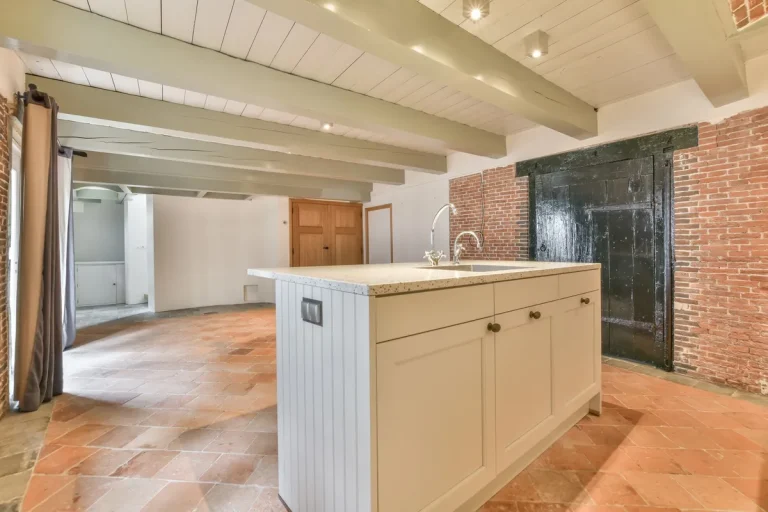
Tile flooring excels in kitchen environments because it resists moisture, stains, and heat damage. Porcelain and ceramic tiles offer excellent durability with countless design options. Natural stone tiles provide a luxury appeal but require more maintenance.
Luxury vinyl plank flooring has become increasingly popular for kitchens. Modern vinyl products offer realistic wood and stone appearances while providing superior water resistance. These materials are comfortable underfoot and relatively easy to install.
Hardwood flooring can work in kitchens, but requires careful consideration. Engineered hardwood performs better than solid wood in moisture-prone areas. However, any wood flooring near sinks and appliances needs immediate cleanup of spills to prevent damage.
Bathroom Flooring Solutions
Bathroom environments present the ultimate moisture challenge for flooring materials. Steam, standing water, and temperature fluctuations create harsh conditions that eliminate many flooring options.
Porcelain tile remains the gold standard for bathroom flooring. Its low porosity prevents water absorption, and textured surfaces provide slip resistance. Large format tiles minimize grout lines, reducing maintenance requirements.
Natural stone tiles, such as marble or travertine, create luxurious bathroom spaces but require regular sealing to prevent water damage. These materials need more maintenance than porcelain alternatives.
Luxury vinyl flooring designed for wet areas offers comfort and warmth underfoot. Modern vinyl products convincingly mimic natural materials while providing superior water resistance. However, ensure proper installation with sealed seams around fixtures.
Living Area Flooring Options
Living rooms, dining rooms, and family spaces offer greater flooring options, as moisture concerns are minimal. These areas let you prioritize comfort, style, and acoustics over water resistance.
Hardwood flooring creates timeless elegance in living spaces. The natural beauty and warmth of wood complement a range of decorating styles, from traditional to contemporary. Proper maintenance keeps hardwood floors beautiful for generations.
Carpet provides comfort and sound absorption in family areas. Modern carpets offer stain resistance and easier cleaning than older products. However, carpet requires regular professional cleaning and eventual replacement.
Large-format tiles create seamless, sophisticated appearances in open-concept spaces. These materials work exceptionally well with radiant heating systems for added comfort during the Bay Area’s cooler months.

Hardwood Flooring Selection Guide
Learning how to choose hardwood flooring involves understanding the characteristics of wood species, construction methods, and finish options. Our extensive experience with hardwood installations helps clients navigate these complex decisions.
Wood Species Characteristics
Different wood species offer varying levels of hardness, grain patterns, and color options. Oak remains the most popular choice due to its durability and classic appearance. Red oak provides prominent grain patterns, while white oak offers more subtle grain with better moisture resistance.
Maple flooring delivers exceptional hardness and a light color that accepts stain well. This species works beautifully in contemporary settings where a clean, consistent appearance is desired.
Cherry wood develops rich, warm tones over time but shows scratches more readily than harder species. Walnut offers dramatic dark colors and beautiful grain patterns, but it comes at a premium price.
Exotic species like Brazilian cherry or bamboo offer unique appearances but may have different expansion characteristics than domestic woods. Consider your local climate when selecting these materials.
Solid vs. Engineered Construction
Solid hardwood flooring consists of single wood pieces that can be refinished multiple times over their lifespan. This construction method provides maximum longevity but costs more initially and requires more careful moisture control.
Engineered hardwood features real wood top layers bonded to plywood or high-density fiberboard cores. This construction offers better moisture stability and can be installed over concrete subfloors or radiant heating systems.
The top layer thickness determines how many times engineered floors can be refinished. Thicker wear layers allow multiple refinishing cycles, whereas thin layers may support only one or two refinishing attempts.
Both construction methods can provide decades of beautiful service when properly installed and maintained. We help clients understand which option best suits their specific installation conditions and budget requirements.
Modern Flooring Alternatives
Contemporary flooring technology has created exciting alternatives to traditional materials. These innovative products often combine the best characteristics of multiple materials while addressing common maintenance concerns.
Luxury Vinyl Plank (LVP) Flooring
LVP flooring has revolutionized the flooring industry with its combination of realistic appearance, waterproof performance, and affordable pricing. Modern printing technology creates convincing wood and stone textures that fool most observers.
The construction typically includes multiple layers:
- Protective wear layer for scratch resistance
- Photographic layer for a realistic appearance
- Core layer for stability and comfort
- Backing layer for moisture protection
Installation methods vary from glue-down to floating systems. Click-lock floating installations make DIY projects easy or a quick professional installation possible. Some products feature attached underlayment for added comfort and sound reduction.
Quality levels vary significantly among LVP products. Premium lines offer thicker wear layers, more realistic textures, and better locking systems. We help clients select appropriate quality levels based on their usage requirements and budget considerations.
Engineered Stone and Composite Materials
Quartz composite flooring combines natural stone particles with resin binders to create highly durable surfaces. These materials resist stains, scratches, and moisture while requiring minimal maintenance.
Engineered stone flooring works well in high-traffic commercial applications and challenging residential environments. The consistent appearance and performance make these materials ideal for busy households.
Installation requires professional expertise due to the weight and specialized cutting requirements. However, the long-term performance often justifies the higher initial investment.

Flooring Installation Considerations
Even the best flooring materials can fail without proper installation. Our licensed crews understand the critical importance of correct subfloor preparation, moisture control, and installation techniques.
Subfloor Preparation Requirements
Subfloor conditions significantly impact flooring performance and longevity. Uneven subfloors create squeaks, premature wear, and installation difficulties. We always assess and correct subfloor issues before beginning flooring installation.
Moisture testing prevents future problems with wood and laminate flooring. Concrete subfloors especially require moisture testing and possible remediation before installing moisture-sensitive materials.
Proper underlayment selection improves comfort, reduces noise transmission, and can provide moisture barriers. Different flooring types require specific underlayment characteristics for optimal performance.
Professional vs. DIY Installation
Some flooring materials lend themselves to DIY installation, while others definitely require professional expertise. Floating laminate and vinyl plank floors can be successfully installed by motivated homeowners with proper tools and preparation.
Hardwood flooring installation requires specialized equipment and experience for professional results. Proper nail placement, moisture considerations, and finishing techniques demand professional expertise.
Tile installation involves multiple technical skills, including layout planning, cutting techniques, and proper adhesive application. Poor tile installation creates long-term problems that cost more to fix than a proper initial installation.
Maintenance and Longevity Factors
Understanding maintenance requirements helps you select flooring that fits your lifestyle and commitment level. Different materials demand varying levels of ongoing care to maintain their appearance and performance.
Daily Maintenance Requirements
| Flooring Type | Daily Care | Weekly Care | Annual Care |
| Hardwood | Sweep/vacuum | Damp mop | Professional cleaning |
| Tile | Sweep/mop | Deep clean grout | Seal grout lines |
| Carpet | Vacuum | Spot clean | Professional cleaning |
| Vinyl | Sweep/mop | Deep clean | Protective coating |
Establishing regular maintenance routines extends the lifespan of flooring and preserves its appearance. Simple daily practices prevent most damage and reduce long-term costs.
Some materials require specific cleaning products to avoid damage. Natural stone floors need pH-neutral cleaners, while vinyl floors benefit from specialized vinyl cleaners that won’t leave residue.

Long-term Care Strategies
Planning for long-term flooring care helps you budget for maintenance costs and schedule central cleaning or refinishing projects. Hardwood floors typically need refinishing every 7–10 years, depending on traffic levels and the quality of care.
Carpet replacement schedules vary based on quality, traffic, and maintenance. High-quality carpets in low-traffic areas can last 15-20 years, while builder-grade carpets in busy areas may need replacement in 5-7 years.
Protective measures such as area rugs, furniture pads, and entry mats significantly extend the life of flooring. These simple additions prevent most damage and reduce cleaning requirements.
Budget Planning for Flooring Projects
Flooring accounts for a significant share of many homeowners’ renovation costs. Creating realistic flooring budgets requires understanding all associated costs beyond material prices. Installation labor, subfloor preparation, and disposal fees add significantly to total project costs.
Material Cost Factors
Flooring material costs vary widely by quality level, source location, and market conditions. Solid hardwood pricing ranges from affordable oak to exotic species that cost 10 times more per square foot.
Square footage calculations should include waste factors for cuts and mistakes. Complex room layouts require higher waste percentages than simple rectangular spaces. We typically add a 5–10% waste factor depending on layout complexity.
Transition strips, baseboards, and other trim materials add to material costs but are essential for professional appearances. These finishing touches often get overlooked in initial budget planning.
Installation and Additional Costs
Professional installation costs vary based on material complexity and local labor rates. Simple materials like vinyl plank installation cost less than intricate tile patterns or site-finished hardwood.
Subfloor preparation can add high costs if problems exist. Leveling compounds, moisture barriers, and structural repairs should be addressed before flooring installation begins.
Disposal fees for old flooring materials vary by type and local regulations. Some materials, such as vinyl tiles, may require specialized disposal methods that increase costs.

Environmental and Health Considerations
Modern flooring selections increasingly consider environmental impact and indoor air quality effects. These factors have become critical decision criteria for many Bay Area homeowners.
Formaldehyde emissions from some flooring products can affect indoor air quality. Look for low-emission or formaldehyde-free products, especially in bedrooms and children’s areas.
Sustainable sourcing matters to environmentally conscious homeowners. FSC-certified wood products, recycled content materials, and rapidly renewable options like bamboo appeal to green-minded consumers.
VOC (Volatile Organic Compound) emissions from adhesives and finishes can impact sensitive individuals. Water-based finishes typically emit fewer VOCs than oil-based alternatives.
Final Thoughts
Choosing the right flooring for your home requires balancing multiple factors, including lifestyle needs, aesthetic preferences, maintenance requirements, and budget constraints.
At Brother & Brother Builders, we guide homeowners through this complex decision-making process using our extensive experience in home remodeling and commitment to client satisfaction.
Our team understands how proper flooring selection enhances your daily life while protecting your investment for years to come.
Contact us and get expert guidance from our flooring specialists to ensure your next renovation creates the beautiful, functional space you deserve.